

Brazil could lose over $100 million in premium beef sales to EU
Sep, 25, 2026 Posted by Gabriel MalheirosWeek 202639
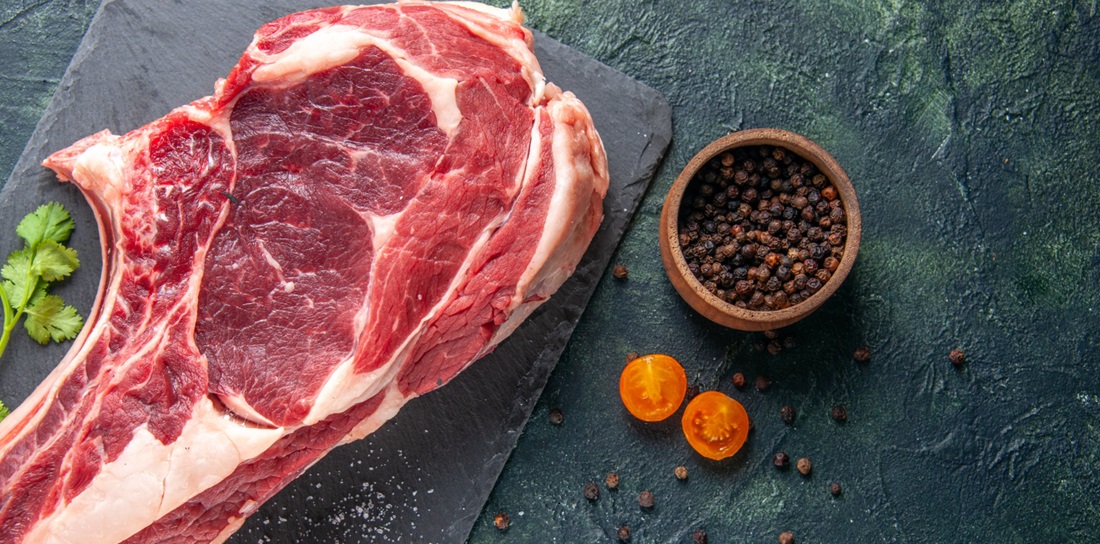
The European Union’s suspension of Brazilian beef imports in September, due to the bloc’s requirements regarding controls on antimicrobial use in the production chain, could cost Brazil more than $100 million in sales under the Hilton Quota. The volume of premium cuts destined for the European market is subject to specific requirements and commands prices up to 40% higher than conventional cuts.
Under the rules, the volume is traded within a quota year, which begins in July and ends in June of the following year. If the European embargo on Brazilian beef is not reversed, the loss in revenue in the next period — 2027/28 — could exceed $97 million in the worst-case scenario. The calculation assumes a quota of 8,900 tonnes at an average price of $11,000 per tonne, according to an estimate by the Brazilian Beef Exporters Association (Abiec). Prices under the Hilton Quota range from $10,000 to as much as $15,000 per tonne, according to the association.
According to foreign trade data from Datamar, Brazilian beef exports to the 27 European Union member states reached 5,315 TEUs, equivalent to approximately 58,672 metric tons, in the first seven months of the year. The chart below provides a monthly breakdown:
Beef Exports | European Union | Jan-Jul | 2022-2026 | TEUs
Source: DataLiner (click here to request a demo)
In the current 2026/27 cycle, which began in July and runs through June next year, exporters will miss out on more than $22 million in sales to the EU under the quota. Anticipating the bloc’s import suspension, companies accelerated shipments and exported 6,767 tonnes under the quota, or 76% of the total, between July and August, according to Abiec. More than 2,000 tonnes, however, will not be exported because of the European ban.
An industry source told Valor that Argentine and Uruguayan exporters took advantage of the ban on Brazil to raise their prices under the Hilton Quota. Rump loin cuts — including rump, striploin and tenderloin — which traded at $23,000 per tonne before the ban, are now being sold for $28,000.
In the current cycle, the volume authorized for Brazil was 10,000 tonnes, of which 8,951 tonnes were allocated to the EU and 1,049 tonnes to the United Kingdom, whose market remains open to Brazilian beef.
Five companies were authorized to export under the Hilton Quota in the 2026/27 cycle: JBS, MBRF, Minerva, Barra Mansa and Frigorífico Silva. To distribute the quota volume, the Brazilian government uses the previous year’s export performance of companies authorized to sell to the EU as a basis, while also setting aside a technical reserve for new entrants.
In addition to hurting cattle ranchers who raised animals to meet the quota’s requirements and meatpackers that were already exporting under the Hilton Quota, the EU suspension prompted companies preparing to use the quota to postpone investments.
Astra Foods, based in Cruzeiro do Oeste, Paraná, was already exporting to Europe and planned to invest in calf breeding to ensure animal traceability from birth, one of the requirements for entering the quota. The plan was to slaughter 1,000 head a year in order to use an initial quota equivalent to one container, or 24 tonnes, according to the company’s export manager, Bruno Cunha.
“We were going to start a program this year on a partner farm or one of our own. As sales grew, we would ask for a larger quota. For now, we are no longer going to do that; there was no other reason [for the investment besides using the Hilton Quota],” he said. According to Cunha, other meatpackers were also preparing to use the quota. “There were certainly more companies going through the same process, working with partner calf producers,” he said.
Cattle ranchers who invested to supply meatpackers using the Hilton Quota will also lose revenue because of the suspension. According to Cunha, processors paid about 5% more for traceable cattle destined for the quota.
“Cattle ranchers are more affected than the industry because they raised an animal to be ready in two years and made a major investment in individual traceability and third-party certification,” said Lhais Sparvoli, Abiec’s director of International Relations.
Hilton Quota Was Created at a Hotel in 1979
The Hilton Quota was created in 1979 as part of an agreement reached during the Multilateral Trade Negotiations under the General Agreement on Tariffs and Trade (GATT). The meeting took place at a hotel operated by U.S.-based Hilton, which entered Europe in the 1950s and imposed quality standards on the beef served at its properties.
The Hilton Quota refers to a fixed volume of 67,200 tonnes of high-quality fresh or chilled boneless beef destined for the EU, which is divided among and allocated to exporting countries. Brazil exports premium cuts such as tenderloin, striploin, entrecôte and rump under the quota. The rules also provide for exports of fresh edible offal.
Shipments sold under the Hilton Quota already benefited from a special tariff regime and received additional benefits when the Mercosur-EU Agreement took effect in May. Until then, Hilton Quota sales were exempt from the 12.8% tariff and the payment of 3,041 per tonne charged on exports to the bloc. Within the quota, the tariff was 20% of the value of the goods.
With the trade agreement provisionally in force since May, the quota used by countries in the bloc became entirely duty-free. In addition to Brazil, meatpackers in Australia, Canada, the United States, New Zealand, Paraguay and Uruguay are authorized to export under the Hilton Quota.
Beef sold under the quota must meet sanitary, quality and traceability requirements in addition to those already imposed by European authorities. The exported cuts come from animals aged 22 to 24 months, with no more than four permanent teeth, and raised exclusively on pasture. Shipments are accompanied by a “certificate of authenticity” issued by the country of origin.
Prices for these cuts can be 30% to 40% higher than for conventional cuts, according to data from consultancy Agrifatto. From January through August, the EU paid an average of $6,212 per tonne for beef exported by Brazil, while Hilton Quota shipments commanded a premium of $2,000 to $2,500 per tonne above the average price, depending on the cut.
Source: Globo Rural
-
Trade Regulations
Oct, 26, 2021
0
OECD calls Brazil for global plan on carbon price
-
Apr, 17, 2026
0
Datamar wraps up Intermodal 2026 with innovation, DatamarLab, and testimonials that reinforce its market impact
-
Other Cargo
Jul, 31, 2025
0
Santa Catarina extends dairy protection policy, cutting milk imports by 75%
-
Trade Regulations
Apr, 22, 2026
0
Brazil opens market for beef offal exports to Vietnam