


Brazil loses ground to U.S. in soybean sales to China
Jun, 24, 2026 Posted by Sylvia SchandertWeek 202626
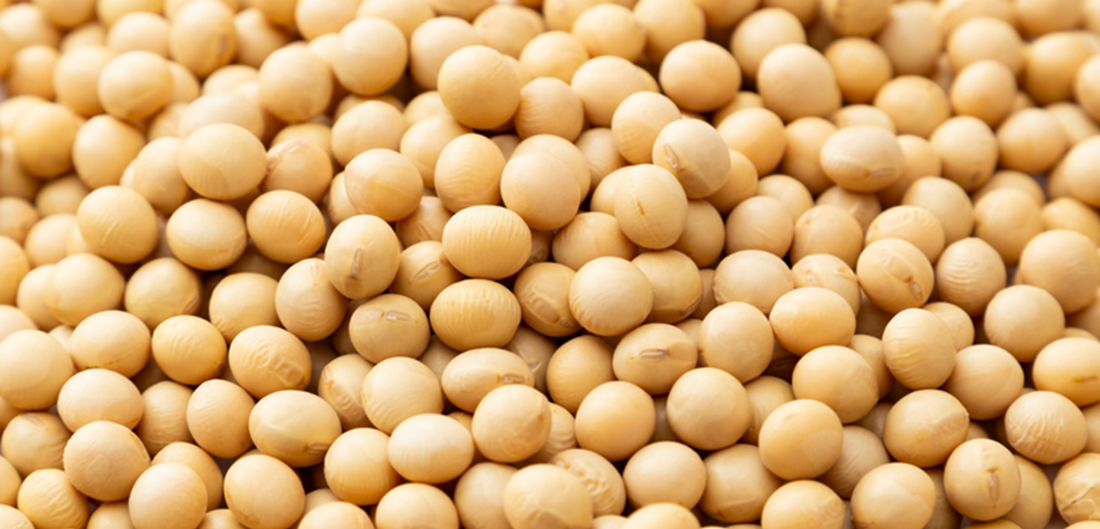
Just over a month after the summit between Chinese President Xi Jinping and U.S. President Donald Trump, the United States announced that Chinese buyers had made their first purchases of soybeans from the new U.S. crop, a deal eagerly awaited by American farmers. The move marks the U.S.’s full return to the competition with Brazil to supply the Chinese market and could reshape soybean pricing dynamics in Brazil.
Last week, the U.S. Department of Agriculture (USDA) announced that the country had sold 132,000 tonnes of soybeans from the 2026/27 crop to China. Harvesting of the new U.S. soybean crop is scheduled to begin in September. The agency also said U.S. exporters sold an additional 384,000 tonnes to undisclosed destinations, which many analysts believe were also destined for China.
Analysts view the purchases as a consequence of the May summit. At the time, Trump said China had committed to importing at least $17 billion in U.S. agricultural products annually in 2026, 2027, and 2028, although Beijing has not commented publicly. Those figures would not include the 25 million tonnes of soybeans that, according to an October 2025 statement by the U.S. government, China had indicated it would import.
According to Datamar’s maritime cargo throughput data, Brazilian soybean exports to China fell by nearly 7% in the January-April period compared with the same period a year earlier. The chart below shows a breakdown of the volumes recorded in recent years:
Soybean Exports to China | Jan-Apr | 2022 – 2026 | WTMT
Ronaldo Fernandes, an analyst at consultancy Royal Rural, believes the new Chinese purchases are unrelated to any alleged commitment to the United States and instead reflect China’s long-standing strategy in soybean negotiations. According to him, the country is seeking to drive down Brazilian soybean prices.
“Chinese buyers claim Brazilian soybeans are expensive, but that is not the real reason. Our soybeans are trading at $530 per tonne, while U.S. soybeans are priced at $545 per tonne. China is using this argument to push prices lower in Brazil before returning to buy our crop,” Fernandes said.
China’s decision to purchase more U.S. soybeans could produce the intended effect, he said. Stronger demand for U.S. soybeans tends to lift prices on the Chicago Board of Trade, which usually narrows export premiums at Brazilian ports. As a result, domestic soybean prices in Brazil tend to decline.
For now, however, robust demand is expected to keep Brazilian prices firm. International prices, meanwhile, are likely to remain under pressure because of expectations for a large U.S. harvest and subdued buying interest as importers await further Chinese purchases.
On Monday, the Cepea/Esalq soybean index slipped 0.02% to R$132.81 per 60-kilogram bag. On the Chicago Board of Trade, July soybean futures fell 0.62% to $11.1575 per bushel.
According to Royal Rural’s estimates, Brazil is expected to export 15 million tonnes of soybeans in June alone, including 10.7 million tonnes to China. For next month, shipments of 4 million tonnes have already been scheduled, with about half expected to head to the Chinese market.
Brazilian soybean exports typically slow from July onward. However, following record harvests in each of the past two seasons, export volumes are expected to remain above the five-year average for the month of 9.8 million tonnes, Royal Rural estimates.
U.S. soybean exports to China through June, meanwhile, are expected to approach 12 million tonnes, in line with the White House’s expectations for the 2025/26 marketing year.
U.S. shipments could reach 25 million tonnes in the 2026/27 season, as Trump expects, provided the terms remain favorable to China, said Ale Delara, director of Delara Agronegócios.
“There is a good chance these purchases will materialize, but not during the ideal marketing window for U.S. exporters, which runs from September to December,” he said.
In his view, China will first wait for signs that U.S. soybean acreage will expand. That would signal larger production and inventories, putting downward pressure on prices.
“Only then would the Chinese direct more demand toward U.S. suppliers,” he said. Even if Brazil loses market share, Delara does not expect soybean export premiums in Brazil to decline sharply.
Source: Valor International
-
Trade Regulations
May, 29, 2024
0
Abicalçados: “New 20% Tax on Digital Platforms Partially Addresses Industry Concerns”
-
Trade Regulations
Aug, 12, 2021
0
Chamber committee approves proposal that extends “drawback” concessions to exporters for one year
-
Shipping
Oct, 31, 2024
0
ONE reports nearly US$2 billion in profit for Q2 FY2024
-
Meat
Dec, 17, 2024
0
Agribusiness Exports Surpass US$ 153 Billion in 2024