


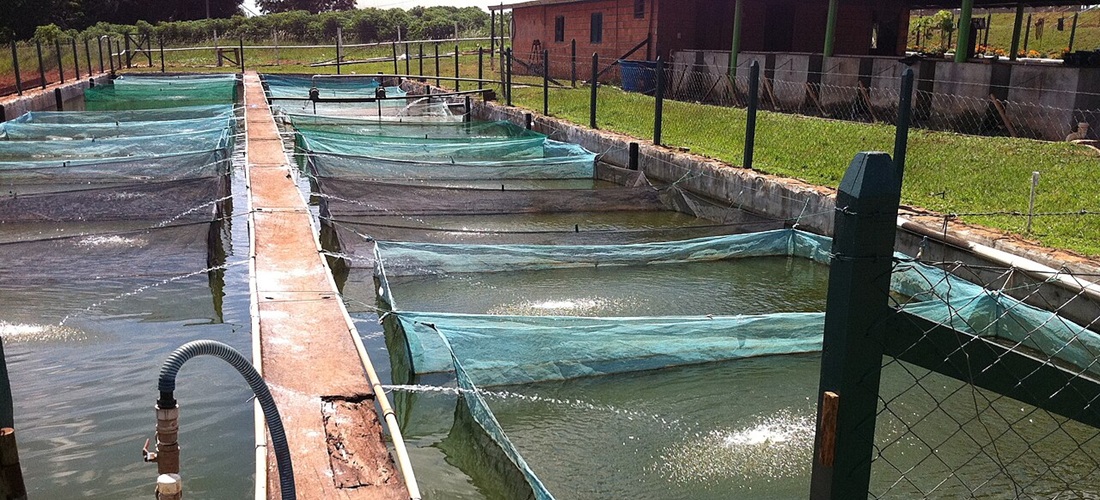
Brazilian fish farming exports drop 39% in the first quarter of 2026
Apr, 23, 2026 Posted by Gabriel MalheirosWeek 202617
Brazilian fish farming exports totaled $11.2 million in the first quarter of 2026, down 39% from the same period a year earlier, according to a report by Embrapa Fisheries and Aquaculture and Peixe BR. In volume terms, shipments fell 41% to 2,308 tonnes, extending the weakening trend already seen at the end of 2025.
Despite the contraction in the quarter as a whole, monthly performance improved over the period. Export revenue rose from $3.0 million in January to $3.1 million in February and reached $5.1 million in March, when volume totaled 1,006 tonnes. The report linked that improvement to the rollback of the tariff hike at the end of February.
The chart below shows the performance of Brazil’s frozen fish exports between January 2023 and February 2026. The data is available on Datamar’s DataLiner platform.
Frozen Fish Exports | Jan 2023 – Feb 2026 | TEUs
Source: DataLiner (click here to request a demo)
Fresh or chilled fillets remained the main export category, with $8.8 million and 78% of total revenue, although they also fell 32% in value from a year earlier. The steepest declines were seen in frozen fillets, down 76%, and frozen whole fish, down 61%. By species, tilapia remained the clear leader, with $10.2 million and 91% of total export value, but still fell 40% from the first quarter of 2025. Pacu ranked second, with $375,700, while surubim posted a sharp percentage increase from a still-small base.
The United States remained the main destination for Brazilian aquaculture exports, with $8.76 million, equivalent to 78% of the total in the quarter, even after a 46% drop from a year earlier. Canada and Mexico, by contrast, gained ground. Sales to the Canadian market totaled $534,000, up 51%, while shipments to Mexico reached $319,000. Between February and March alone, exports to Mexico rose 110%, according to the report.
In tilapia, dependence on the U.S. market remained high. The United States absorbed 86% of Brazil’s tilapia exports, or $8.7 million, with fresh or chilled fillets accounting for the bulk of the shipments. Even so, Brazil lost ground in the ranking of suppliers to the U.S. market: in the cumulative January-February period, it dropped from third to seventh place among tilapia exporters to the country, with volume down 71%. Looking only at fresh tilapia fillets, Brazil slipped from second to third place, with a 57% decline.
By state, Paraná remained Brazil’s leading tilapia exporter, with $3.9 million in the quarter, equivalent to 38% of the total. São Paulo accounted for $3.1 million, or 31%, and Mato Grosso do Sul for $3.0 million, with 30%. The positive highlight was Mato Grosso do Sul, which advanced 32% in value year on year, driven mainly by fresh or chilled fillets. Bahia also posted an increase, albeit from a smaller base, supported by frozen whole tilapia.
On the import side, the contrast was marked. Brazilian imports of aquaculture species reached $328.5 million in the first quarter, up 13%, led by salmon, which accounted for 79% of the total, and pangasius, with $52 million. Tilapia ranked as the third most imported species, with $14.6 million and 3,573 tonnes, a value higher than the total revenue generated by all Brazilian aquaculture exports in the period. With exports falling and imports rising, the sector’s trade deficit widened from $272 million to $317 million in the quarter.
The report’s figures show a sector still heavily concentrated in tilapia and the U.S. market, while the advance in imports further widened the negative trade balance of Brazilian aquaculture at the start of 2026.
Source: Embrapa aquaculture report
-
Blog Statistics (ENG)
Nov, 17, 2025
0
East Coast South America Top Trading Countries | Jan–Sept 2025 vs. Jan–Sept 2024 | DataLiner
-
Shipping
Jan, 16, 2026
0
ASENAV and SAAM sign partnership to build tugboat in Chile
-
DW 2019 EN
Sep, 23, 2019
0
DatamarWeek 24 September 2019
-
Ports and Terminals
Nov, 13, 2025
0
Babitonga dredging: Itapoá beach nourishment reaches first kilometer