


China Raises Concerns in the Fertilizer Market
Dec, 30, 2025 Posted by Sylvia SchandertWeek 202553
The fertilizer market, which will begin 2026 closely watching geopolitical issues such as the Russia–Ukraine conflict and U.S. tariffs, now has an additional concern: China.
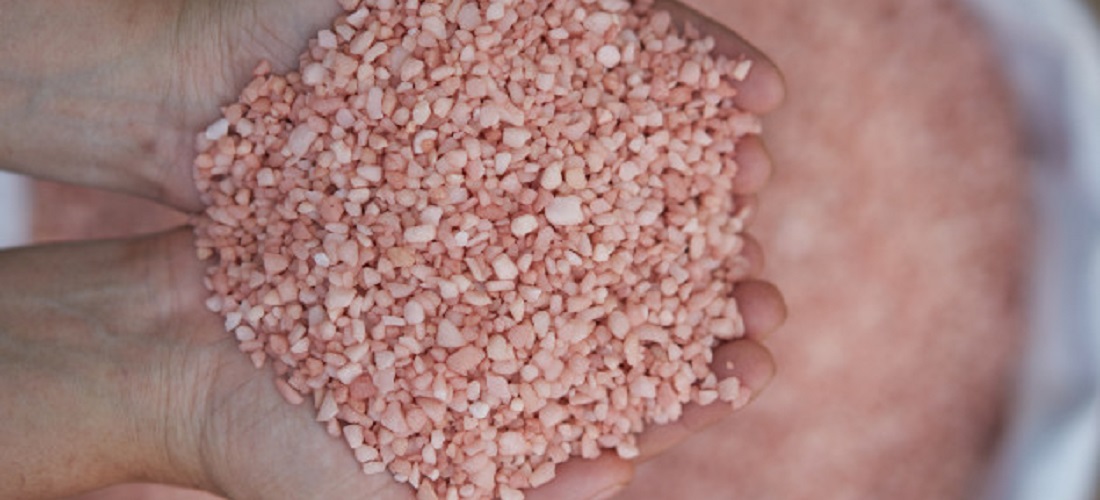
The Asian country gained relevance for Brazil after overtaking Russia as the leading fertilizer exporter to the Brazilian market between January and October 2025, according to a bulletin from the Confederation of Agriculture and Livestock (CNA). The increase is mainly due to China’s large-scale production of less concentrated fertilizers, which were more widely used in the most recent Brazilian crop season. China already supplies 24% of all fertilizers imported by Brazil.
However, the Asian country recently signaled that it may suspend phosphate exports until August 2026 to contain domestic prices. Currently, 28% of the phosphates imported by Brazil come from China. Products that could be affected include single superphosphate (SSP), triple superphosphate (TSP), and NP fertilizers (nitrogen and phosphorus). “If this actually happens, it will be very harmful and will put pressure on prices,” says Renato Françoso, a fertilizer price risk management analyst at StoneX.
“Brazil would have to seek other traditional phosphate sources [to offset the absence of China], such as Russia and Morocco, potentially at much higher prices. If we don’t have phosphate availability from China, the trend is toward firmness,” assesses Renata Cardarelli, a fertilizer specialist at consulting firm Argus.
China also plays a significant role in the potash market and, in November, signed a supply contract for potash inputs with a Russian company for 2026. The country moved ahead of the traditional negotiation period, usually between May and June, which raised an alert in the market. According to analysts, China is expected to be the main factor shaping potash fertilizer prices.
Trade issues
Another concern for the new year, according to specialists, is U.S. trade policy, which already impacted the sector in 2025. Recent statements by President Donald Trump about a possible imposition of tariffs on Canadian products have reignited concerns, as 90% of the potassium chloride (KCl) imported into the U.S. comes from Canada.
Potential tariffs and import restrictions could create logistical bottlenecks in Canada, as Canadian ports that ship the product overseas do not have the capacity to absorb volumes that normally go to the U.S. by rail.
Such restrictions would also push prices higher in the U.S. and affect international quotations. However, there is uncertainty about whether the tariffs will be adopted, since U.S. companies such as Mosaic operate in Canada, and KCl could be excluded from the measures.
Cardarelli, from Argus, notes that recent tariff episodes have not changed the Brazilian fertilizer market. This is because sanctions imposed by the U.S. and Europe on products from certain origins, such as Russia, redirected supply to other markets. As a result, Brazil may even benefit from greater availability of these fertilizers, depending on the origin affected by the restrictions.
Wars around the world
The conflict in the Black Sea between Russia and Ukraine also continues to reverberate, although “the war is already priced into current fertilizer prices,” says Françoso. If there are changes in European Union sanctions against Russia and the bloc increases purchases of Russian fertilizers, Brazil would lose its “price premium,” paying values more aligned with the global market, according to the StoneX analyst.
This situation affects Brazil because more than 20% of the fertilizers purchased by the country come from Russia—around 10 million tonnes per year of nitrogen, phosphate, and potash products.
The Middle East, which supplies urea used in the production of nitrogen fertilizers, is another point of attention, analysts say. The region accounts for more than 40% of global exports of the product, and the Strait of Hormuz—a strategic transport route—is sensitive to potential conflicts.
Source: Globo Rural
-
Aug, 02, 2024
0
Brazil celebrates recent access to Costa Rican avocado market
-
Ports and Terminals
Aug, 13, 2025
0
Antaq sets public consultation period for RDJ06A terminal lease at Port of Rio
-
Other Logistics
Feb, 23, 2023
0
Argentina toll fee diverts demand to Port of Paranagua
-
Ports and Terminals
Mar, 15, 2024
0
Project for STS10 container terminal to be unveiled by end of the year