


Fragmentation and geopolitical risks pressure global maritime trade
Sep, 09, 2026 Posted by Gabriel MalheirosWeek 202636
Oil prices have reached $100 a barrel, up 37% from their July low, as persistent geopolitical tensions fuel the risk of renewed global inflation and add pressure to maritime supply chains.
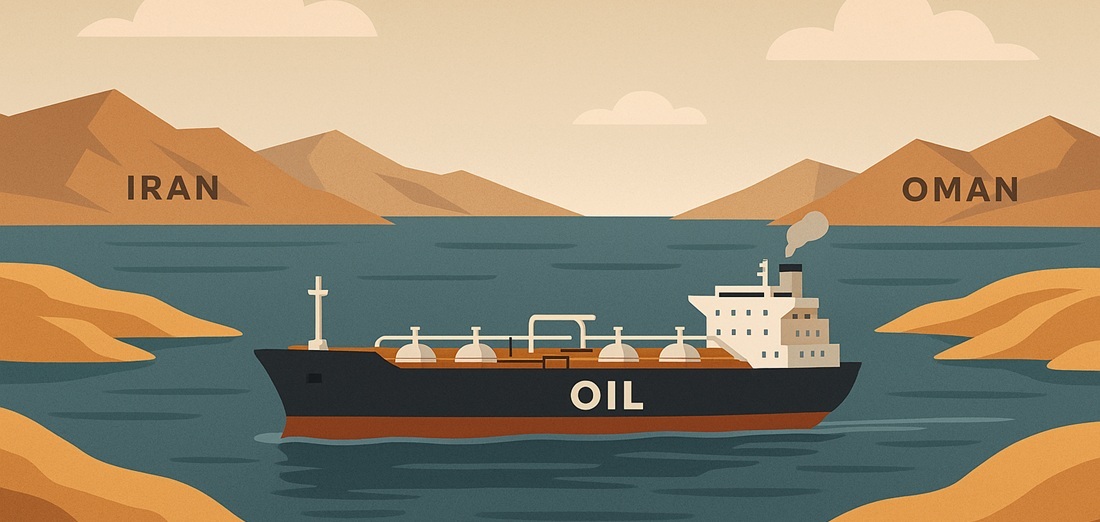
The latest rise in oil prices follows attacks by Houthi militants on oil and gas storage facilities in Saudi Arabia. The war between the United States and Iran also continues to restrict energy flows through the Strait of Hormuz. On Tuesday, the United States bombed five Iranian tankers in the Gulf of Oman in response to Iranian attempts to target American vessels in the area.
Against this backdrop, the Consultative Shipping Group, or CSG, an informal alliance that includes major oil-exporting countries, says international conflicts, trade restrictions and maritime chokepoints are raising costs and spreading further uncertainty through global supply chains.
For the CSG, which brings together maritime authorities from 18 shipping nations in Europe, Asia and North America, the current situation is not a series of isolated shocks, but rather “signs of a structural change in the operating environment of global trade.”
The alliance says recent events show how fragile the maritime trade system can be. From the Covid-19 pandemic to the war in Ukraine, the drought in the Panama Canal and conflicts in the Middle East, maritime supply chains have faced repeated disruptions that increase uncertainty and reduce the efficiency of global trade.
More than 80% of global trade moves by sea, including electronics, clothing, cars, grains, metals, oil and gas. The group warns that the changing global environment is undermining freedom of navigation. Uncertainty over future access to ports or routes can affect long-term commercial planning.
Shipping routes become instruments of risk
The CSG says shipping lanes are increasingly becoming instruments of influence and risk. It points to two parallel commercial fleet systems now in operation: one governed by rules, and another marked by opacity.
The second system circumvents sanctions and attacks vessels, the group says, referring to incidents on key waterways such as the Strait of Hormuz, the Suez Canal and the Red Sea.
Hundreds of ships are operating without proper insurance, security or transparency, contributing to further fragmentation of global supply chains and, ultimately, higher costs for companies and consumers.
The alliance called on countries to defend freedom of navigation. Allowing fragmentation to deepen, it said, not only weakens common rules but also increases the risk of disruption at critical points along maritime routes.
The Strait of Hormuz is a clear example. When maritime supply chains fragment, the global economy fragments with them.
Smaller companies face greater exposure
The United Nations Conference on Trade and Development, or UNCTAD, has also warned that trade disruptions affect all companies, but rarely affect them equally. The closure of the Strait of Hormuz, it said, would be no exception. Large companies can protect themselves, but small and medium-sized enterprises often cannot.
As energy, transport and financing costs rise, margins shrink and supply chains are disrupted. That pressure can force companies to reduce production, postpone investment or shut down entirely. Exclusion becomes a constant risk.
UNCTAD notes that the economic consequences go beyond the companies themselves. Small and medium-sized enterprises generate a large share of employment and entrepreneurship worldwide. When they come under pressure, growth becomes less inclusive and less resilient.
Smaller companies are at the center of the global economy, the agency said. They are essential suppliers of inputs and services across supply chains, and they drive entrepreneurship, innovation and economic diversification. UNCTAD recommends that governments design programs to protect them.
Source: Valor Econômico
-
Shipping
Aug, 23, 2021
0
Pandemic creates the largest port crisis since the beginning of container use
-
Shipping
Oct, 02, 2026
0
Rains ease water pressure at the Panama Canal
-
Meat
Dec, 29, 2022
0
Meat industry: Brazil to export 283,161 k tonnes of poultry in December
-
Ports and Terminals
Sep, 17, 2025
0
Bahia ports see 20% rise in solid bulk cargo in July