


Maersk and MSC offer BTP divestment plan to preserve STS10 bids
Jul, 20, 2026 Posted by Gabriel MalheirosWeek 202630
APM Terminals, Maersk’s independent arm in Brazil, and TiL, MSC’s Brazilian terminal subsidiary, have filed proposed divestment commitments with Brazil’s antitrust regulator as both companies seek to remain eligible to bid for STS10, the planned container megaterminal at the Port of Santos.
The filings submitted to the Administrative Council for Economic Defense, known as Cade, concern Brasil Terminal Portuário (BTP), which APM Terminals and TiL currently own in equal shares.
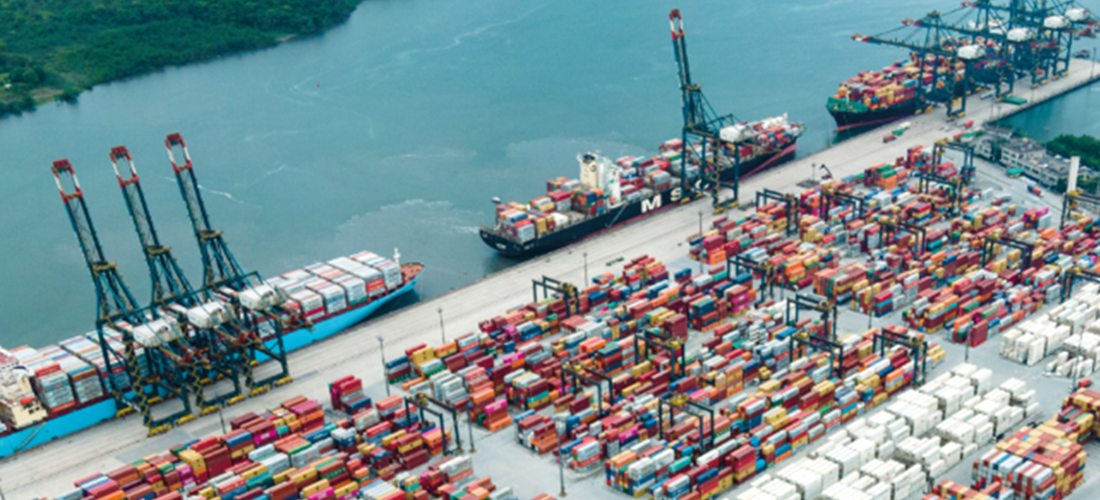
BTP is currently one of the main container terminals at the Port of Santos. According to DataLiner data, 440,825 TEUs moved through the terminal in import and export flows in the first five months of the year. The chart below shows the share of other terminals in Santos’ container trade:
Main Container Terminals | Port of Santos | Jan-May 2026 | TEUs
Source: DataLiner (click here to request a demo)
Under the proposed arrangement, whichever company wins the STS10 auction would acquire the other partner’s 50% stake in BTP, taking full control of the existing terminal.
The move is intended to help resolve one of the main disputes surrounding the auction: whether shipping groups that already control container terminals at Santos should be allowed to compete for the new concession.
APM Terminals and TiL have asked Cade to review the potential acquisition under its fast-track procedure and approve it without restrictions. They argue that the existing ownership and competitive relationship between Maersk and MSC through BTP would not be materially changed by transferring full control to one of the partners.
BTP generated R$2.1 billion in revenue in Brazil in 2025. The value of the proposed transaction and the agreement between the companies remain confidential.
Debate over the STS10 auction intensified after Brazil’s presidential chief of staff’s office proposed allowing incumbent Santos terminal operators to participate in the opening stage, provided they formally commit to irreversibly selling their existing terminal interests before signing the concession contract if they win.
Maersk and MSC are seeking to address that requirement in advance through Cade. The two groups plan to compete separately and each wants to preserve its eligibility for the auction.
Brazilian authorities remain divided over how the tender should be structured. The Federal Court of Accounts (TCU) approved a model barring incumbent operators from the first stage, while the chief of staff’s office supports opening the auction to those companies if they agree to divest their current holdings in the event of a successful bid.
The National Waterway Transportation Agency (Antaq), meanwhile, has questioned whether divestment would be an effective remedy for competition concerns. Cade, the Finance Ministry and other federal agencies have also taken part in the discussions.
The lack of agreement has led to repeated delays, and the tender notice has yet to be finalized. The Ministry of Ports and Airports had initially planned to award the concession by the end of 2025, but the auction may now be pushed back to 2027.
Source: Alex Sabino’s column in Folha de São Paulo
-
Ports and Terminals
Oct, 18, 2021
0
FT: Port delays complicating post-pandemic bottlenecks
-
Meat
Jul, 11, 2022
0
Paraguayan pork exports decrease in late June
-
Trade Regulations
Jul, 28, 2025
0
Trump–EU trade deal raises doubts over EU-Mercosur agreement
-
Mar, 17, 2022
0
War raises freight rates by nearly 300% and worries Brazilian fruit producers