


Maersk says Gulf land-bridge routes still have capacity for food, medicines
Mar, 26, 2026 Posted by Gabriel MalheirosWeek 202613
Shipping giant Maersk is maintaining food and medicine supply lines via alternative land-bridge routes in the Gulf that still have some spare capacity despite the Iran war, its regional head told Reuters on Thursday (March 26).
The war that began with U.S.-Israeli strikes on Iran last month, followed by Iranian attacks across the region and the closing of the Strait of Hormuz, has brought shipping in the Gulf to a near standstill, rippling across global supply chains.
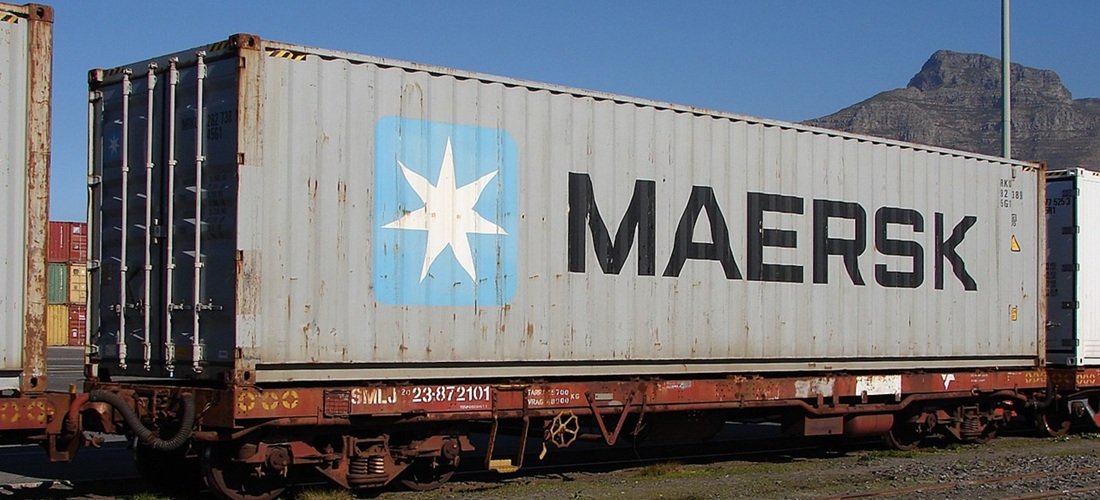
Danish container shipping group A.P. Moller-Maersk is using a “land-bridge” system via ports in Jeddah in Saudi Arabia, Salalah and Sohar in Oman and Khor Fakkan in the United Arab Emirates, to funnel in cargo before moving it by land to destinations across the Gulf region.
Charles van der Steene, Dubai-based regional managing director for the Middle East, said Maersk was ramping up the network and coordinating with Gulf governments, which have introduced faster procedures to speed deliveries.
While it is prioritising critical goods, namely food and medicines, there is still capacity to spare on these alternative routes, he added.
Cargo volumes into the port in Jeddah have jumped 40% since the conflict began, van der Steene said.
Before the conflict, Maersk moved about 35,000 containers a week in and out of the Gulf, he said. Its land-bridge network is now absorbing those volumes. In the initial weeks of the war, Maersk worked with customers and Gulf governments to prioritise medicines and food, including chilled and frozen cargo, and other critical shipments.
Maersk’s board chair said on Wednesday that the Middle East region has a “pressing need” for food imports disrupted by the war. Gulf Cooperation Council (GCC) countries import up to 85% of their food, according to the World Economic Forum.
RISING LOGISTICS COSTS
Some of the alternative routes, such as via Saudi Arabia, were already in place given previous disruptions like in the Red Sea two years ago, but Maersk has ramped up its land-bridge system across the Gulf over the last several weeks, van der Steene added.
The fluid security situation could still force changes to routes, he said. Rising costs for fuel, insurance and transport were pushing up overall logistics prices, he said, declining to say by how much.
Van der Steene said Maersk was coordinating with GCC governments on border, customs and terminal handling procedures, including fast-track “green lane” arrangements to move goods more quickly.
Reporting by Maggie Fick for Reuters
-
Grains
Jun, 19, 2020
0
Camex approves additional quota for wheat imports from outside of Mercosul
-
Ores
Apr, 27, 2022
0
Brazilian ore exports fell by 22.8% in Q1, affected by the Chinese cut in imports
-
Ports and Terminals
Sep, 19, 2025
0
Dredging at São Francisco do Sul port to use sediments for beach nourishment in landmark project
-
Fish
Nov, 06, 2025
0
European Union to audit Brazil’s sanitary system for possible reopening of fish exports