


Mercosur-South Korea deal faces near-term hurdles
Jun, 24, 2026 Posted by Sylvia SchandertWeek 202626
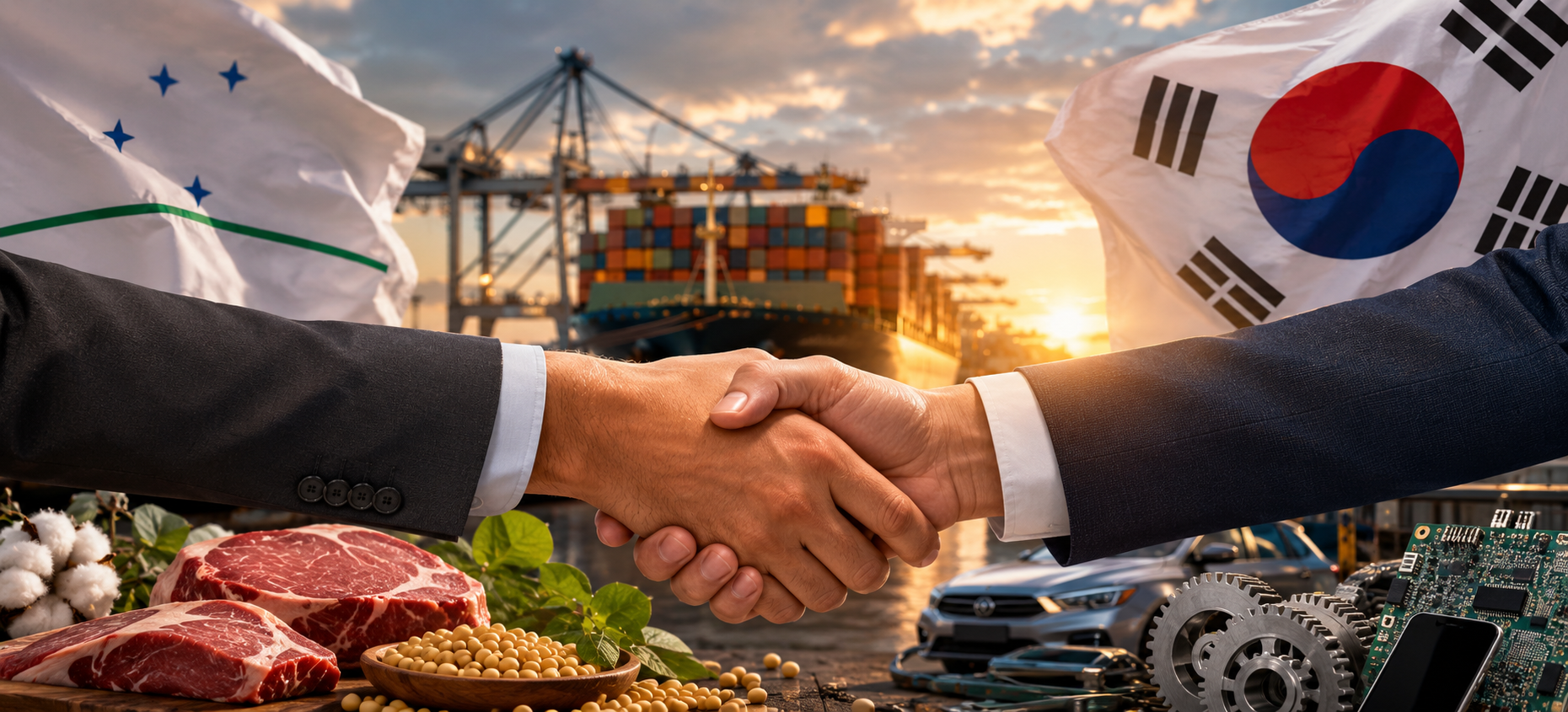
Despite Brazil’s efforts to diversify its trade partners following the tariff measures imposed by the United States, the economic integration agreement between Mercosur and South Korea continues to face significant obstacles and is unlikely to advance in the near term. Although the Asian country has signaled to negotiators its interest in resuming talks, discussions have remained stalled since 2019 due to ongoing resistance and a lack of consensus within Brazil’s productive sectors.
In early April, the Brazilian government launched a public consultation to gather input on potential trade negotiations. However, the Lula administration has not yet indicated a green light to move forward with the agreement. Contributions are currently being consolidated by the Foreign Trade Secretariat (Secex), which is expected to release its findings shortly.
At present, the main barriers to advancing a deal with South Korea include concerns from domestic industries about the entry of cheaper Korean goods, as well as sanitary restrictions imposed by the Asian country, which limit Brazilian meat exports.
According to government officials close to President Lula, progress in negotiations will depend on a process of persuasion and consensus-building with the private sector.
Although formal talks remain stalled, both sides continue to engage in a cooperative dialogue focused on identifying barriers and potential obstacles to future negotiations. One source familiar with the discussions described it as a “pre-agreement dialogue” aimed at aligning positions before any formal resumption of talks.
South Korea has signaled to negotiators that it wants to move forward, but Brazil’s industrial sector remains the main sticking point. One concern is the potential influx of low-cost industrial goods, which could intensify competition and pressure domestic producers.
Another major issue involves meat exports. South Korea enforces strict sanitary standards, which would significantly limit South American meat shipments. These products are highly important for Mercosur countries—especially Brazil, Argentina, and Uruguay—requiring negotiated solutions among all parties. The bloc assesses that, without easing or removing these barriers, it will be difficult to advance the talks. South Korean agricultural producers are also resisting increased competition from Brazil and its regional partners, according to Valor sources, a dynamic also seen in Mercosur’s negotiations with the European Union.
Even so, the Brazilian government believes South Korea’s interest in intensifying talks may grow due to the global trade environment. Following tariff measures introduced by U.S. President Donald Trump, countries have stepped up efforts to diversify trade partners. South Korea is expected to follow the same path. “That is the natural expectation,” said one source.
Since last year, Mercosur has been working on free trade agreements with Canada, Indonesia, Mexico, Vietnam, South Korea, the United Arab Emirates, Lebanon, and India. However, the signing of the agreement with the European Union and Trump’s pushback against multilateralism have given new momentum to negotiations with countries that, according to Brazilian diplomats, could help elevate Mercosur to a more competitive global trade position.
Even if obstacles with South Korea are resolved, Brazilian negotiators do not expect the agreement to be finalized in the short term, with completion more likely in the coming years. For 2026, the bloc’s priority is to conclude negotiations with Canada and the United Arab Emirates.
Constanza Biasutti, head of international trade and integration at the National Confederation of Industry (CNI), said negotiations with Asian countries require greater caution from industry. According to her, the high level of competitiveness and industrial development in these economies leads Brazil’s productive sector to approach such talks with heightened concern.
“Today we have been conducting consultations with industrial sectors. There is no consensus within the base for comprehensive negotiations with South Korea, so industry has many concerns from that standpoint,” she said.
Biasutti noted that partial agreements could be considered, as they allow countries to select which products are included. Broader negotiations, however, face stronger resistance, as they typically require liberalization of around 80% of goods trade. “When we look at South Korea, this is the position we have received nationally in our consultations,” she said.
Regarding a potential agreement with Japan, consultations so far have been more favorable. However, she noted that negotiations would need to formally begin for the actual content on the table—and each side’s priorities and concerns—to become clear. “But I would say there is a significant divergence in the starting point between these two countries,” she added.
Source: Valor International
-
Ports and Terminals
Jun, 20, 2024
0
May Cargo Throughput Data Released for Itajaí-Açu Port Complex
-
Economy
Jan, 04, 2021
0
Brazilian imports grow in November 2020 after falling for months
-
Grains
Dec, 27, 2023
0
Agricultural exports in 2024 tend to experience volume drop
-
Other Cargo
Nov, 27, 2025
0
Brazilian road equipment exports to Mexico could reach US$10.6 million in 2026