


Ministry creates group to standardize concession rules for ports and waterways
May, 13, 2026 Posted by Gabriel MalheirosWeek 202620
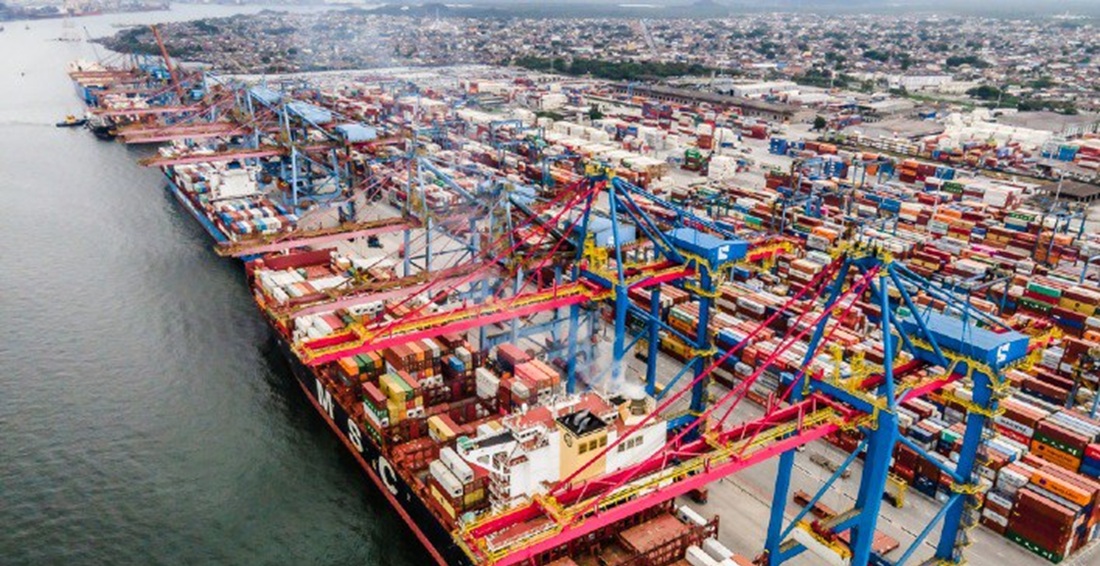
Brazil’s Ministry of Ports and Airports has created a working group to harmonize the rules applied to concessions in ports, airports and waterways. The initiative aims to strengthen legal certainty, increase regulatory predictability and make infrastructure projects more attractive to investors.
During the event, Ports and Airports Minister Tomé Franca said that although the three sectors have their own specific characteristics, it is necessary to move forward with common guidelines to strengthen the regulatory environment of concessions overseen by the ministry.
“Our goal is not to create any kind of disruption, but rather to generate coherence among the different transport modes. Naturally, while respecting the specificities of each sector, we believe that, in what is fundamental and structural, it is possible to build regulatory intelligence that draws on the experience of each segment,” he said.
The working group will be responsible for assessing the possibility of harmonizing the rules applied to the different transport modes administered by the ministry, taking into account the economic and regulatory impacts of such a move. The group will also examine issues related to legal certainty, based on precedents set by Brazil’s federal audit court.
In the case of contract extensions, the group is expected to propose guidelines aimed at expanding economic benefits for the state, enabling new investment and improving the services delivered to the public.
From an economic standpoint, standardizing the rules tends to reduce investors’ perception of risk, helping lower the weighted average cost of capital for infrastructure projects. The measure could also increase the appeal of concessions and facilitate financing for new projects.
“The government has managed to present good projects, and in recent years we have achieved institutional stability, which is important. The relationship with the executive branch and with the courts is important for those investing in Brazil and, naturally, so is the strengthening of the regulatory agencies in order to provide regulatory stability. This tripod is essential for us to consolidate and expand this infrastructure cycle,” the minister added.
Structure and operation
The concessions working group will be coordinated by the Special Advisory Office of the minister’s cabinet and will include representatives from the Executive Secretariat, the National Secretariat for Waterways and Navigation, Brazil’s civil aviation regulator and the country’s waterway transport regulator. External specialists and organizations may be invited to take part in the discussions, but without voting rights. Participation in the group will be considered a relevant public service, without remuneration.
For Tiago Faierstein, acting head of Brazil’s civil aviation regulator, the integration promoted by the group strengthens national infrastructure as a whole. “There is no example in the world of a developed sector without support from the state. And there is no developed country without developed port and airport sectors. What is being done here is also something that has not historically been part of our culture, which is integration. We need to attract investment, engage with the private sector and understand how to create a favorable environment,” he said.
“One of the strongest ways of thinking about differentiated solutions is when we sit at the table together and discuss them. And the greater the diversity, as we have here, the better. We have to think about the social dimension, which is the only way the country will grow,” added Cristina Castro, acting director at Brazil’s waterway transport regulator.
The private sector was represented by the National Transport Confederation, the largest transport and logistics association in Brazil. “This shows us an openness on the part of everyone and an interest in bringing the private sector into the debate. We truly believe this can lead to a lasting and promising result,” said the confederation’s government affairs adviser, Dim Michelle Rodrigues.
The working group will have 90 days to present a final report with its studies and proposals for public policy guidelines and regulatory improvements.
Source: Ministry of Ports and Airports
-
Ports and Terminals
Jan, 04, 2021
0
Porto do Açu adopts international environmental performance index for ships
-
Meat
Mar, 25, 2025
0
USDA Argentine projects an 8.9% drop in beef exports this year
-
Meat
Jul, 10, 2021
0
Pork exports set revenue record in June
-
Grains
Jan, 28, 2026
0
Brazil wheat sales remain sluggish in January, Cepea says