


São Francisco Valley fruit exports to U.S. at risk of decreasing by 70%
Jul, 31, 2025 Posted by Lucas LorimerWeek 202532
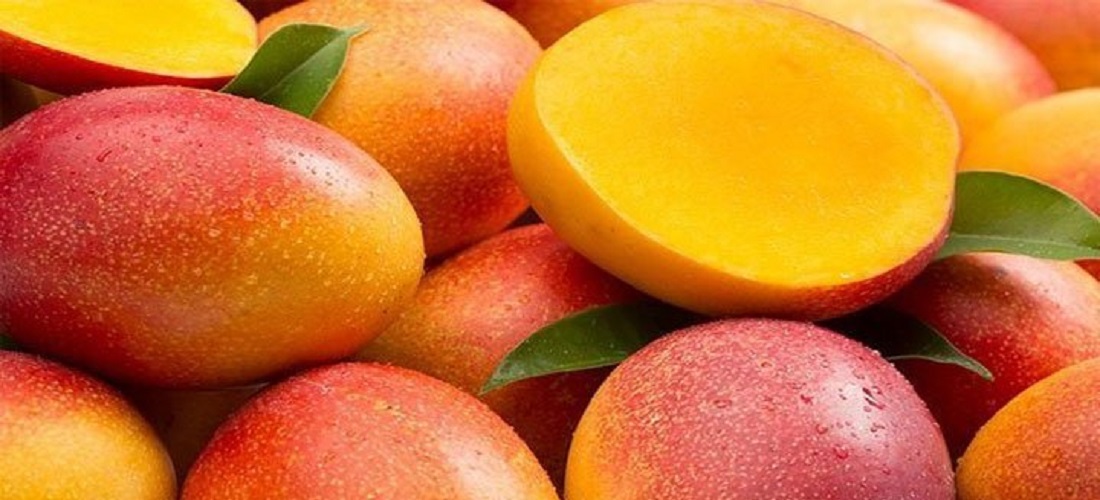
The new 50% tariff imposed by the United States on Brazilian fruit exports has caused concern among producers in the São Francisco Valley. The measure, which directly affects exports of mangoes and grapes, could result in millions of dollars in losses for the region, which heavily relies on agribusiness.
Packaging lines that should already be full remain empty. Machines are idle, and workers have little to do. Jaciene da Silva, who has worked on the same farm for seven years, fears losing her job.
“I’m a little worried because I depend on this,” she says. “If the company can’t sustain itself, then I’ll have to leave, right?”
Farms have crops ready for export, but with the current uncertainty, seasonal hiring has not yet started. One property alone typically hires 700 people per harvest. If nothing changes, that number will be much lower.
The São Francisco Valley produces 1.25 million tonnes of mangoes annually. Of this total, 253,000 tonnes are exported, generating US$348 million—exports to the U.S. alone total 50,000 tonnes. With the new tariff, export volume is expected to drop by up to 70%.
“The initial forecast was to ship 48,000 tonnes. With the tariff, that may fall to 13,000. Most exports go to the U.S. market, which prefers the Tommy Atkins variety. Europe doesn’t absorb that type, and the domestic market can’t take in that much volume,” explains Tássio Lustosa, manager at Valexport.
Time is also an enemy. Mangoes take up to 30 days to reach the U.S. and must be harvested at a specific stage of ripeness.
“If we wait, the fruit overripenes and loses shelf life. We’re already at the limit,” says agronomist Emerson Costa.
On a farm in Petrolina, in the hinterlands of Pernambuco, it’s estimated that 700,000 mangoes will have no export destination and will need to be sold domestically. Grape producers face a similar situation. In 2023, the valley exported 13,800 tonnes of grapes to the United States. Now, there’s a risk of oversupply in the domestic market.
“Redirecting everything will drive prices down here. It might not even cover production costs,” warns Jailson Lira, president of COOPEXVALE.
Grape exporters are also expected to delay shipments, as is already happening with mangoes. “If the situation continues, producers won’t risk exporting during the same period as last year. They’ll likely evaluate week by week and send smaller volumes,” says João Ricardo Lima, a researcher at Embrapa.
The Brazilian Association of Fruit Producers and Exporters (Abrafrutas) is calling for fruit to be removed from the list of products affected by the tariff. According to the association, exporting to Europe or selling domestically are not viable alternatives.
“Sending this fruit to Europe will push down prices there—it’ll be bad as well. Keeping it in the domestic market will also be bad. So we need to solve this through dialogue, prudence, common sense, and flexibility,” says Guilherme Coelho, president of Abrafrutas.
Some Brazilian sectors managed to avoid the 50% tariff imposed by the United States, while others were hit directly.
The decree signed on Wednesday (30) by President Donald Trump raised the tariff on Brazilian products by 40 percentage points, but also included a list of 700 exemptions benefiting strategic sectors, such as aerospace, energy, and parts of the agribusiness sector.
Source: G1
-
Ports and Terminals
Dec, 27, 2018
0
Port of Santos tariff revenues up 28.8%
-
Grains
Apr, 04, 2024
0
Brazil poised to explore untapped “superfoods” export potential
-
Blog News (ENG)
Jan, 21, 2025
0
Port of Itajaí Ends 2024 with 14.17 Million Tonnes of Cargo Throughput
-
Shipping
Aug, 30, 2024
0
Methanol ‘happy hour’ over, and decarbonisation will double freight rates