


Sorghum export deal with China could boost Brazil’s grain sector
Aug, 29, 2025 Posted by Lucas LorimerWeek 202536
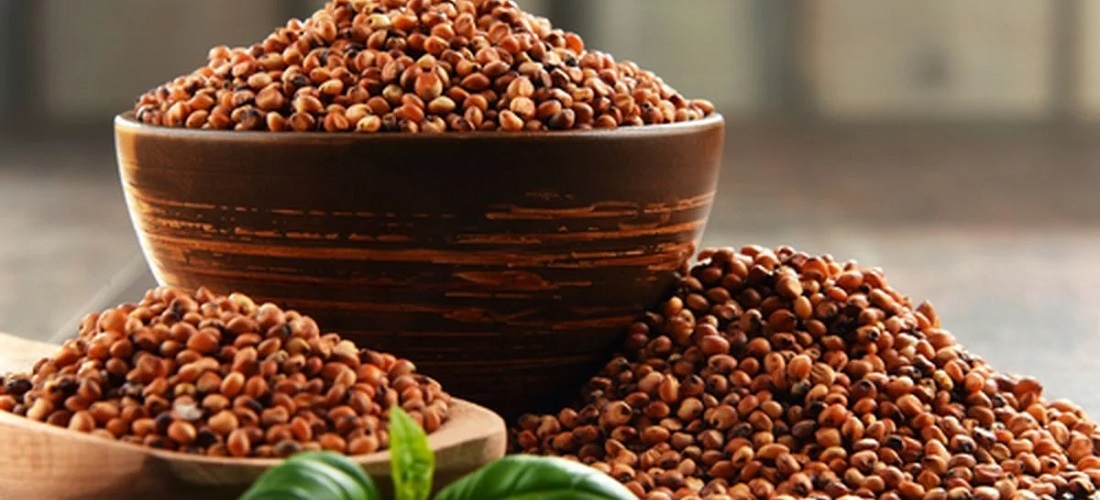
Sorghum is the fifth most planted cereal in the world and has been gaining prominence due to its versatility of use, both in Brazil and abroad. In the domestic market, the crop stands out for being adaptable to warmer climates, requiring less water to complete its cycle, and serving as an efficient and profitable alternative for the second harvest (safrinha). Historically, all sorghum production in Brazil has been consumed domestically, used for animal feed, and, more recently, for the production of biofuels such as ethanol.
Now, there is an opportunity to explore new international markets, with China standing out as a notable example. “We’ve already signed a trade agreement with the Chinese. The next step is to address phytosanitary issues, meet export quality standards, determine future pricing, and organize trading companies. The entire supply chain is mobilizing,” says agronomist Lucas Sleutjes Silveira.
According to Silveira, if all goes well, the expectation is that by the 2026 second harvest, these factors will be in place, allowing Brazil to export grain sorghum to China. “Data from the United States Department of Agriculture (USDA) indicate that China could demand up to 7.9 million tonnes of sorghum from the global market — about 81% of total world imports — highlighting the importance of this agreement and the scale of Chinese demand,” he adds.
Currently, the United States is the world’s largest sorghum exporter, with 5.4 million tonnes (55% of the market), followed by Australia with 2.6 million tonnes (27%) and Argentina with 1.4 million tonnes (14%). “These figures reveal an interesting scenario. Given the current geopolitical tensions and strained relations between the U.S. and China, there is room to shift the dynamics of the import-export market. A slight reduction in sorghum planting area is already being observed in the U.S. for the 2025/26 crop, which could create opportunities for other countries, including Brazil,” Silveira explains.
In this context, Brazilian producers could benefit, but increasing efficiency and preparation is essential to capitalize on the opportunity. “Brazilian agriculture becomes more professional every year. A farmer’s success is linked to planning and the use of technology. It’s important to view the agricultural cycle as a whole, where crop rotation plays a key role in more efficient management, ensuring each crop is planted at the ideal time,” Silveira notes.
In the case of the second harvest, there’s an ideal window for planting corn and another for sorghum, allowing both crops to complement each other in the producer’s cycle. “Starting in mid-February, sorghum presents itself as an excellent alternative to corn, helping diversify production and increasing profitability. In many cases, at the close of the second harvest planting window, sorghum outperforms corn economically, as it achieves high productivity levels with lower water demand,” the agronomist emphasizes.
Source: Mato Grosso Econômico
-
Ports and Terminals
Mar, 11, 2021
0
Açu Port to offer discount to environmentally friendly vessels
-
Ports and Terminals
Jul, 20, 2022
0
Port of Suape performs record vehicle transshipment operation
-
Other Logistics
Feb, 14, 2021
0
SPA extends deadline for internal railway public consultation
-
Trade Regulations
Aug, 12, 2025
0
U.S. extends tariff truce with China by 90 days to avoid trade disruption