


Suape cargo throughput rises 25.6% in first half of 2026
Jul, 23, 2026 Posted by Gabriel MalheirosWeek 202630
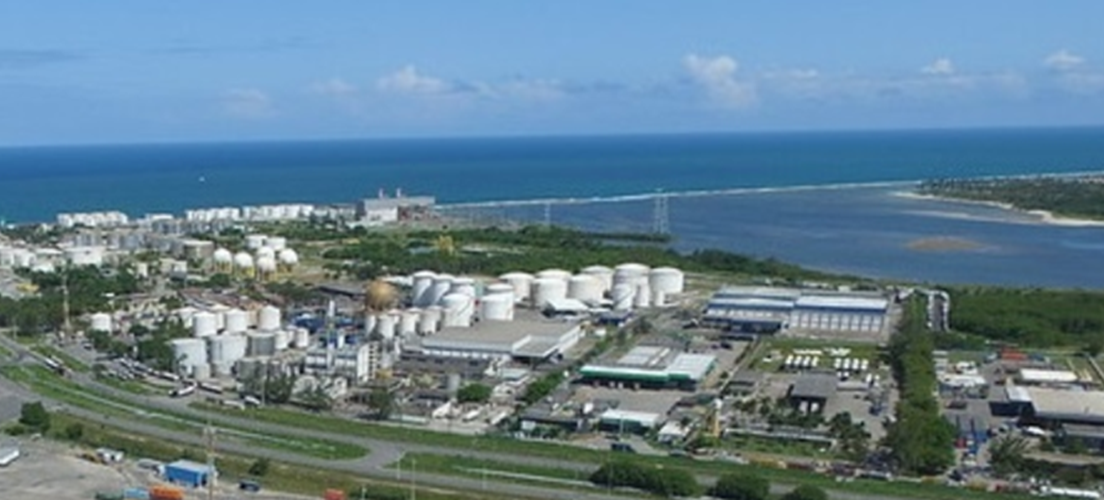
Brazil’s Suape Industrial Port Complex handled 13.73 million metric tons of cargo in the first half of 2026, up 25.6% from the same period last year, according to operational data submitted monthly to the National Waterway Transportation Agency, or Antaq.
Liquid bulk accounted for 66.6% of total throughput, followed by containerized cargo at 25.7%. Dry bulk represented 5.8%, while breakbulk cargo accounted for the remaining 1.9%.
Antaq compiles Brazil’s national port statistics using information provided by public ports and private terminals across the country.
Suape ranks fourth among Brazil’s public ports by cargo volume and is one of the busiest port complexes in the Northeast. The port recorded 832 vessel calls between January and June, an increase of 14.3% from the first half of 2025.
“The first-half performance highlights the diversity of Suape’s operations and reinforces the complex’s strategic role in serving Brazil’s production chains,” Suape Chief Executive Armando Monteiro Bisneto said.
“These indicators are essential for monitoring port activity and support the planning of infrastructure projects and measures to improve operational efficiency.”
Liquid bulk throughput, consisting mainly of crude oil and refined products handled by the Abreu e Lima Refinery within the industrial port complex, rose 40.1% year on year to 9.14 million metric tons.
Exports vs. Imports | Port of Suape | Jan 2023 – May 2026 | TEUs
Dry bulk cargo, including wheat, clinker and petroleum coke, totaled 799,510 metric tons, up 39% from a year earlier.
Vehicle throughput reached 33,779 units, most of them originating from Stellantis’ automotive manufacturing complex in Goiana, in northern Pernambuco state.
“The figures show the performance of Suape’s main cargo segments and underscore the importance of continuously monitoring operational indicators,” said José Constantino, the complex’s director of port development and management.
“This information guides port infrastructure planning and supports investment decisions aimed at meeting logistics demand.”
Source: Portal Portuario
-
Blog Statistics (ENG)
May, 05, 2022
0
Ranking of Brazilian and Plate Ports | Jan to Mar | 2022 – 2021
-
Commodities
Nov, 06, 2023
0
Commodities Ranking for the East Coast South America | Jan-Sep 2022 vs. Jan-Sep 2023 | TEU
-
Trade Regulations
Oct, 30, 2020
0
Brazil has exported agribusiness to 100 new markets in last 22 months
-
Ports and Terminals
Aug, 18, 2025
0
PetroReconcavo signs contract with Dislub for services at the Port of Pecém