


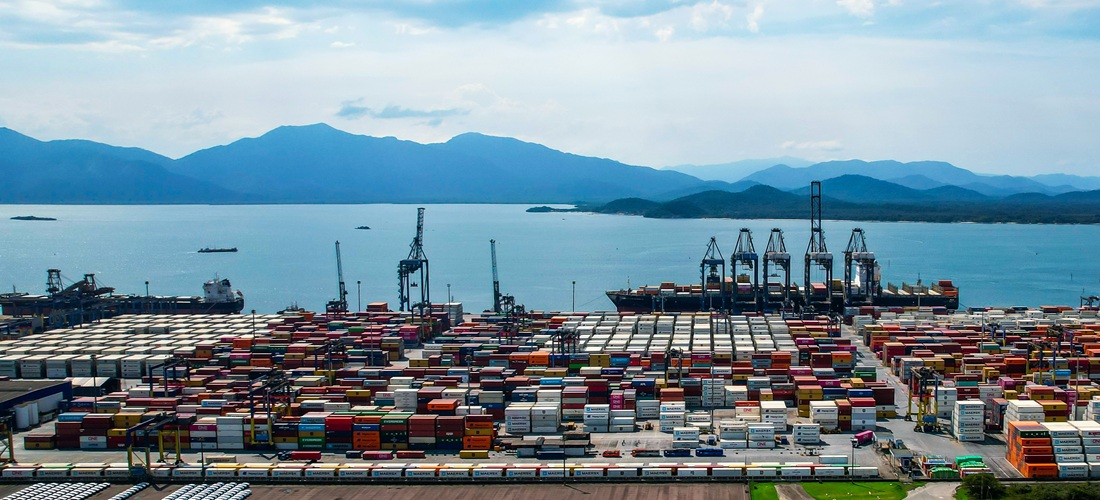
TCP secures ISO 50001 certification as sustainability push advances
Oct, 29, 2025 Posted by Lucas LorimerWeek 202544
TCP, the company that operates the Paranaguá Container Terminal, has obtained ISO 50001 Energy Management System certification, becoming the first port terminal in Brazil — and one of the pioneers in Latin America — to receive the seal. The certification recognizes organizations that continuously improve their energy performance by reducing consumption, waste, and emissions —a significant milestone in a sector that accounts for more than 80% of global trade.
The project began in September 2024, following a directive from China Merchants Port (CMPort), the largest and most competitive public port developer, investor, and operator in China, which instructed all subsidiaries to pursue certification by the end of 2025. In just one year, TCP not only met the target but has already begun to see concrete gains in energy efficiency.
Between January and August 2025, compared with the same period a year earlier, the terminal recorded a reduction of around 3 million kWh in electricity consumption and approximately 100,000 liters of diesel, even with higher cargo throughput.
The results reflect structural investments such as the electrification of RTG cranes, the replacement of LPG-powered forklifts with electric models, the purchase of two electric buses for internal transport, and internal campaigns to reduce energy consumption in administrative areas.
“ISO 50001 consolidates a new management model within TCP, where energy efficiency and sustainability go hand in hand. We are proving that it is possible to grow while reducing impacts and continuously improving our processes,” said Washington Renan Bohnn, TCP’s Human Resources and Quality Manager.
Integrated management and a culture of efficiency
The certification covered 33 internal processes and required technical adjustments, capacity-building, and collective engagement. To achieve this, TCP hired a specialized consulting firm to conduct the initial diagnosis and prepare the master plan for the Energy Management System. From there, the Quality team, supported by the operational areas, integrated the plan into the terminal’s Integrated Management System (SGI), which already includes ISO 9001 (Quality), ISO 14001 (Environment), and ISO 45001 (Occupational Health and Safety).
In addition, TCP holds the I-REC (International Renewable Energy Certificate), which guarantees that 100% of the electricity it consumes comes from renewable sources. In this context, ISO 50001 certification represents not only technical recognition but also the consolidation of innovation and sustainability advances implemented in recent years.
“Ports are strategic hubs for the global economy, and when a terminal of TCP’s scale adopts international efficiency standards, the entire logistics ecosystem becomes more sustainable and competitive. Energy efficiency is now a strategic value and an essential step toward consolidating the Paranaguá Container Terminal as an international benchmark in innovation and environmental responsibility,” said Kayo Zaiats, TCP’s Environmental Superintendent.
Source: TCP
-
Shipping
Jan, 08, 2026
0
Maersk: logistics volatility becomes structural challenge for Latin America in 2026
-
Meat
Feb, 15, 2019
0
China exempts 14 chicken firms from import tariffs
-
Shipping
Nov, 23, 2023
0
Brazil’s Congress Votes to Regulate Pilotage Activities
-
Economy
Jun, 10, 2024
0
Flood-stricken state reports largest drop in imports among Brazilian states