


Under-invoiced motorcycle parts imported from China cause nearly R$1 billion in tax evasion
Dec, 01, 2025 Posted by Sylvia SchandertWeek 202549
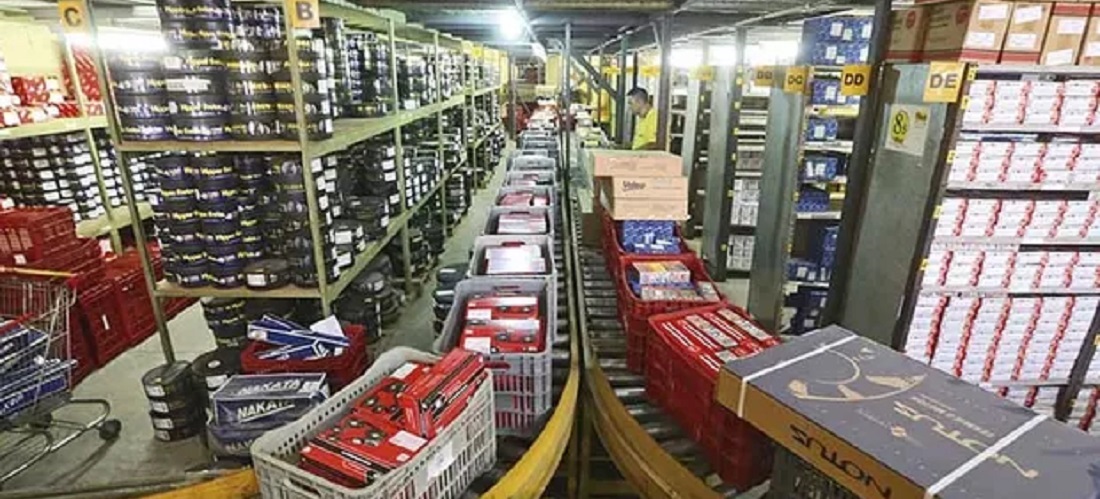
A report by the law firm Siqueira Castro has uncovered a scheme involving irregular imports of replacement motorcycle parts priced on average about 60% below their real value, to reduce the tax calculation base.
According to the firm’s estimates, 12 companies failed to pay roughly R$950 million in federal and state taxes last year.
In some cases, the reduction in the tax base is even greater, with products such as motorcycle fuel pumps being declared at only US$0.88, or about R$5 upon entry into Brazil.
The under-invoicing calculations were made by comparing the values declared to customs authorities with real prices shown on websites like Made in China and Alibaba, where the actual dollar prices in China are publicly available. Today, Brazil’s aftermarket parts sector is dominated by imports from Asian countries.
According to the firm, the scheme works by having exporters receive the officially declared portion of the payment, while the remainder is sent abroad “off the books,” through money changers or other undeclared channels.
The Port of São Francisco do Sul, in Santa Catarina, was identified as the main entry point for these under-invoiced goods. These importers also benefit from state tax incentives, further boosting the competitive advantage of these products.
The firm notes that companies engaging in under-invoicing offer extremely low prices, creating unfair competition with those that import legally and pay taxes based on the goods’ real value.
The data show that these importers increased their market share from approximately 5% in 2018 to 30% last year.
The evaded taxes include federal levies (Import Tax, PIS/Cofins, and IPI) and state ICMS.
“These companies enter the domestic market selling at absolutely unrealistic prices and competing unfairly with those that import products at their real prices,” says Eduardo Ribeiro Augusto, partner at Siqueira Castro Advogados, who represents companies in the sector affected by this competition.
At the request of these clients, the names of the companies involved were not disclosed. Augusto says the findings have been turned over to tax authorities. According to him, private-sector reporting is a first step toward triggering an investigation.
The official who led the analysis says it is unclear whether major organized crime groups are involved. “We don’t know who is on the other side. These are companies that handle a lot of money. My clients are afraid of retaliation.”
The largest of these importers, in terms of volume, failed to pay more than R$75 million in federal import taxes from 2018 to 2024, according to the report. Including ICMS, the amount exceeds R$100 million. Due to the tax fraud scheme, the company reportedly increased its sales volume twelvefold over the period.
Source: Folha de S.Paulo
-
Ports and Terminals
Apr, 18, 2024
0
Brrazil’s TCP Hosts Visit from National Rail Transportation Secretary to Discuss Rail Network Expansion
-
Grains
May, 09, 2022
0
Arab Potash Company plans to increase fertilizer exports to Brazil
-
Grains
Jun, 21, 2022
0
High prices make imports grow faster than exports in Brazil agribusiness
-
Economy
Aug, 31, 2020
0
July data: imports fight back; exports gain strength