


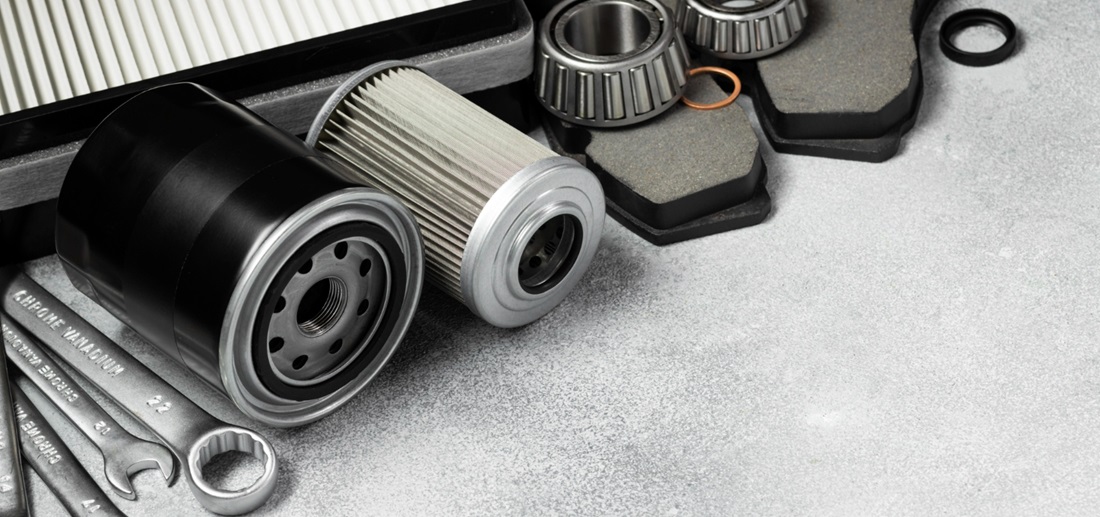
Argentina’s auto parts industry feels the pain from Milei’s shock therapy
May, 05, 2026 Posted by Gabriel MalheirosWeek 202619
Inside a small, family-run auto parts plant on the outskirts of Buenos Aires, production lines sit quiet.
The factory is running below capacity as the firm, Suspenmec, struggles to compete with an influx of cheaper imported parts, many from China, after Argentina sharply eased trade restrictions.
Sales this year are down around 30% at the company, which makes 600 types of suspension parts.
President Javier Milei’s aggressive economic reforms – including slashing import barriers and presiding over a stronger peso – have helped stabilize the economy. But for many small and mid-sized manufacturers long shielded from foreign competition, the adjustment has been sudden and painful.
Imports of auto parts rose 11.6% in 2025 from a year earlier to about $10.32 billion, according to industry group AFAC. Exports, mostly to neighboring Brazil, rose just 1.2% to roughly $1.28 billion.
The following analysis outlines the historical progression of Argentine seaborne auto part exports from January 2023 through March 2025, according to statistics compiled by Datamar:
Auto Part Exports | Argentina | Jan 2023 – Mar 2026 | TEUs
Source: DataLiner (click here to request a demo)
Imports from China, meanwhile, jumped 80.9% on a year-over-year basis to $1.46 billion, though Brazil remained the top supplier.
“It is worrying. We feel the impact of (duty-) free imports from so many brands,” said Lucas Panarotti, a partner at Suspenmec, as he stood beside idle machinery at the factory.
Other auto parts makers, including Sweden’s SKF and U.S.-based Dana, have shut some of their plants in Argentina.
Local manufacturers’ struggles are reflected in a decline in auto parts output, which fell 22.5% in the first two months of this year from the same period in 2025, according to government statistics agency INDEC, which did not specify volumes.
Vehicle production, which reached 490,000 units in 2025, fell 19% in the first quarter of 2026 from a year earlier.
“It is a turning point. We very quickly entered a new ecosystem, where the opening of the economy and international trade has put pressure on Argentine industrial companies,” said Nicolas Ballestrero, the CEO of Grupo Corven, which has experienced a decline in output and exports this year.
Experts say Argentina’s auto industry must specialize and expand exports to adapt. Andres Civetta, an economist specializing in the industrial sector at consulting firm Abeceb, estimates the country could eventually export about 400,000 light commercial vehicles annually, up from the roughly 280,000 shipped last year, mainly to Brazil and other Latin American markets.
DELICATE BALANCE FOR MILEI
The situation in the auto parts sector reflects a broader trend that is benefiting large commodity exporters while much of Argentina’s domestically focused industry is struggling.
Although the South American country’s trade surplus climbed to $2.5 billion in March, 24,180 companies, or about 5% of the total that were open for business, closed between November 2023, just before Milei took office on a right-wing libertarian agenda, and January of this year, according to consultancy Fundar.
While INDEC data show economic activity fell 2.1% in February from a year earlier, sectors including mining, agriculture and fishing experienced rises of between 8% and 15%. Manufacturing, however, saw a drop of 8.7% and retail commerce was down 7%.
Source: Reuters
-
Ports and Terminals
Jul, 26, 2023
0
Government authorizes issuance of more shares in the Port of Santos
-
Ports and Terminals
Jul, 02, 2019
0
Argentina: Dock Sud Port companies to pay for dredging
-
Oil and Gas
Jun, 20, 2023
0
Argentina gas exports dip as winter kicks in
-
Meat
Aug, 06, 2026
0
Brazil’s animal protein industry looks to new markets to sustain growth, SIAVS leaders say