


Strike Paralyzes Argentina Major Ports, Halts Grain Shipments and Disrupts Trade
Feb, 19, 2026 Posted by Gabriel MalheirosWeek 202608
A nationwide maritime workers’ strike has brought ports across Argentina almost to a standstill, significantly disrupting cargo handling, grain exports and key logistical flows in the country’s crucial maritime and river port network.
The 48-hour stoppage, launched on Wednesday, February 18, by the Federación Sindical Marítima y Fluvial (FESIMAF) is a protest against a contested labor reform bill backed by President Javier Milei that unions argue would weaken worker protections and exclude maritime workers from key legal safeguards. The walkout coincides with a broader general strike planned by the powerful CGT federation on Thursday.
Ports Nationwide Impacted
The strike has had a widespread impact on routine port operations in virtually all of Argentina’s major maritime and river terminals:
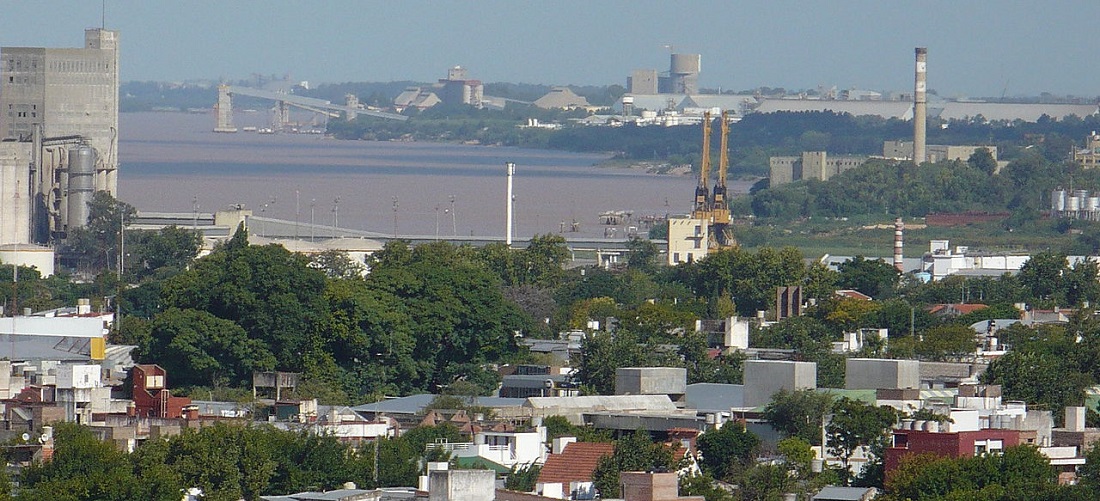
Port of Rosario/San Lorenzo–Timbúes complex (Santa Fe) — One of the most critical agricultural export hubs in the world, where the stoppage has severely affected loading and unloading operations, especially for grain, oilseeds and related commodities. The action is expected to shut down 17 grain terminals in the San Lorenzo–Timbúes corridor, a key export artery for Argentina’s soy, corn and wheat shipments.
Port of Buenos Aires and surrounding river terminals — Operations including cargo handling, mooring and pilot transfers have been halted, disrupting exports and imports alike and impacting general cargo and container traffic.
All other Argentine ports — According to union statements and media reports, the work stoppage has extended to all 17 port terminals nationwide, including facilities handling general cargo, containerized shipments, fishing fleets and offshore services. The strike affects essential services such as tugboat operations, pilot transfers and vessel mooring and unmooring — functions that are critical for the safe and efficient movement of commercial vessels.
The unions’ announcement makes clear that nearly all maritime and river port labour sectors — including tugboat crews, pilot boats, mooring crews and related support staff — have ceased normal duties for the duration of the strike, leaving ports largely inactive.
Data from Datamar’s DataLiner platform reveals that in 2025, the Port of Buenos Aires saw a 37.8% increase in long-haul container throughput. The following chart shows the combined monthly volume of container exports and imports, according to Datamar data:
Buenos Aires | Exports & Imports | Jan 2022 – Dec 2025 | TEUs
Source: DataLiner (click here to request a demo)
Immediate Business Impacts
Industry sources and exporters report that the strike has paralyzed grain shipments and other export traffic, particularly in Rosario and the Paraná River basin, which together account for a large share of Argentina’s agricultural exports. According to Argentina’s grain exporters’ chamber CIARA-CEC, the stoppage has effectively brought agro-export activities to a “complete standstill,” with vessels unable to receive the draft necessary to depart once partially loaded.
The port system’s paralysis also extends to other sectors, including fishing and maritime services, as striking workers have walked off the job in ports where fishing fleets operate.
Broader Trade and Logistics Disruption
Exports of soy, corn, wheat and other commodities that depend on timely loading and shipment through Argentine ports face mounting delays, with knock-on effects for global supply chains. Argentina is a leading global supplier of soy products, corn and grains, and the strike’s timing heightens disruptions.
Import flows of industrial inputs and other merchandise are similarly affected, with container terminals experiencing halted operations and vessel schedules disrupted.
Political Context and Broader Industrial Action
The maritime workers’ walkout is part of a larger wave of labor opposition to the government’s proposed labor reform bill, which has already passed the Senate and is under debate in the lower house. Critics argue that the reform would restrict collective bargaining rights and weaken protections such as severance and the right to strike — provisions that have drawn criticism from unions across sectors.
The national strike called by the CGT on Thursday has added further pressure on transport networks, including port operations, public transit, and other logistics sectors.
-
Shipping
Apr, 05, 2023
0
Container lines’ profit margins fell in 2022
-
Blog News (ENG)
Jul, 01, 2024
0
Ceará state to modernize Mucuripe Port with BRL 50 mln budget
-
Meat
Nov, 03, 2020
0
China detects Covid-19 in pork packaging imported from Brazil
-
Grains
Feb, 28, 2019
0
Movement of soy intensifies at Paranaguá, while China orders more U.S. soy