


Tensions in the Middle East put corn and soybean exports to Iran under monitoring
Mar, 02, 2026 Posted by Sylvia SchandertWeek 202610
Recent attacks in the Middle East have renewed concerns over trade between Brazil and Iran, a relevant partner for corn and soybean exports. Although it accounts for less than 1% of Brazil’s total foreign sales, bilateral trade reached US$2.9 billion in 2025 and is of strategic importance to the country’s agribusiness sector.
Official data from the Ministry of Development, Industry, Trade, and Services indicate that Iran was the fifth-largest destination for Brazilian exports in the Middle East last year. In the global ranking of trade partners, it ranked 31st.
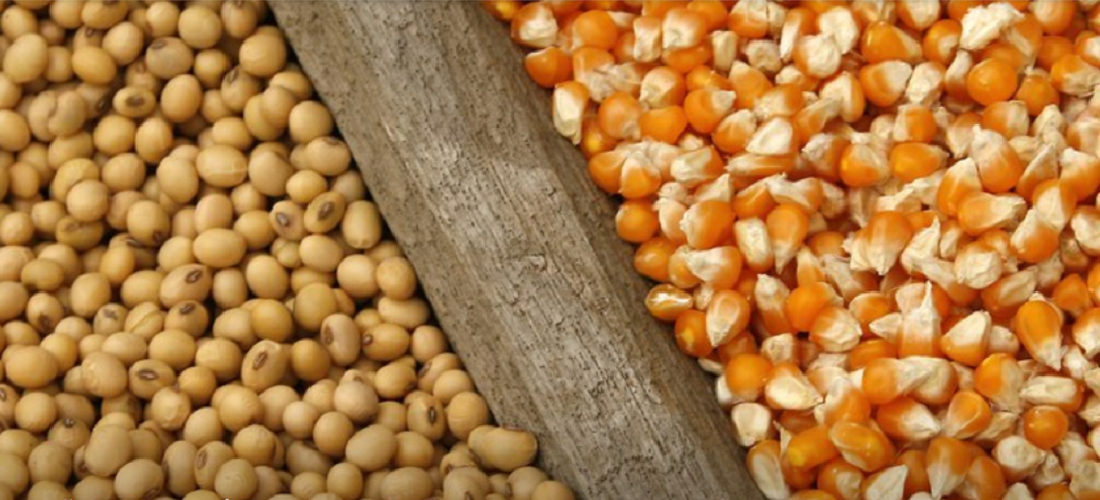
The export basket is largely dominated by agricultural commodities. In 2025, corn and soybeans accounted for 87.2% of Brazilian exports to Iran. Corn led with approximately US$1.9 billion in shipments, while soybeans totaled around US$563 million. Soybean meal for animal feed and sugar also appear on the list, with smaller shares.
The following is a breakdown of corn exports to Iran between January 2022 and December 2025. The data is provided by Datamar:
Corn Exports to Iran | Jan 2022 – Dec 2025 | TEUs
Source: DataLiner (click here to request a demo)
For trading companies and producers, the Iranian market is relevant due to its steady demand for grains used in domestic supply. Any prolonged instability in the region could affect logistics routes, shipping schedules, and short-term contracts, especially in the corn trade.
On the import side, the flow is significantly smaller. In 2025, Brazil purchased about US$84 million worth of Iranian products, mainly fertilizers and soil conditioners, which accounted for the largest share of the total.
Trade between the two countries has shown fluctuations in recent years. After reaching US$4.2 billion in 2022, exports declined in 2023, then gradually recovered, stabilizing at close to US$3 billion in 2025.
Experts assess that the direct macroeconomic impact on Brazil is likely to be limited, given Iran’s relatively small share of Brazil’s trade balance. However, the concentration of sales in corn and soybeans keeps the issue under close watch by the agro-export chain, especially amid heightened logistical and geopolitical sensitivity.
Source: Feed & Food
-
Meat
Dec, 07, 2023
0
Brazil could expand agribusiness sales to Arabs
-
Grains
Oct, 20, 2025
0
China cuts U.S. soybean imports to zero and increases purchases from Brazil by nearly 30%
-
Grains
May, 27, 2026
0
Brazilian corn exports jump in May, already more than five times last year’s total
-
Ports and Terminals
Feb, 02, 2024
0
Concerns Mount as Mada Araújo Allegedly Delays Operations at Itajaí Port